
Find Rare and Exceptional Animals in Your Reserves
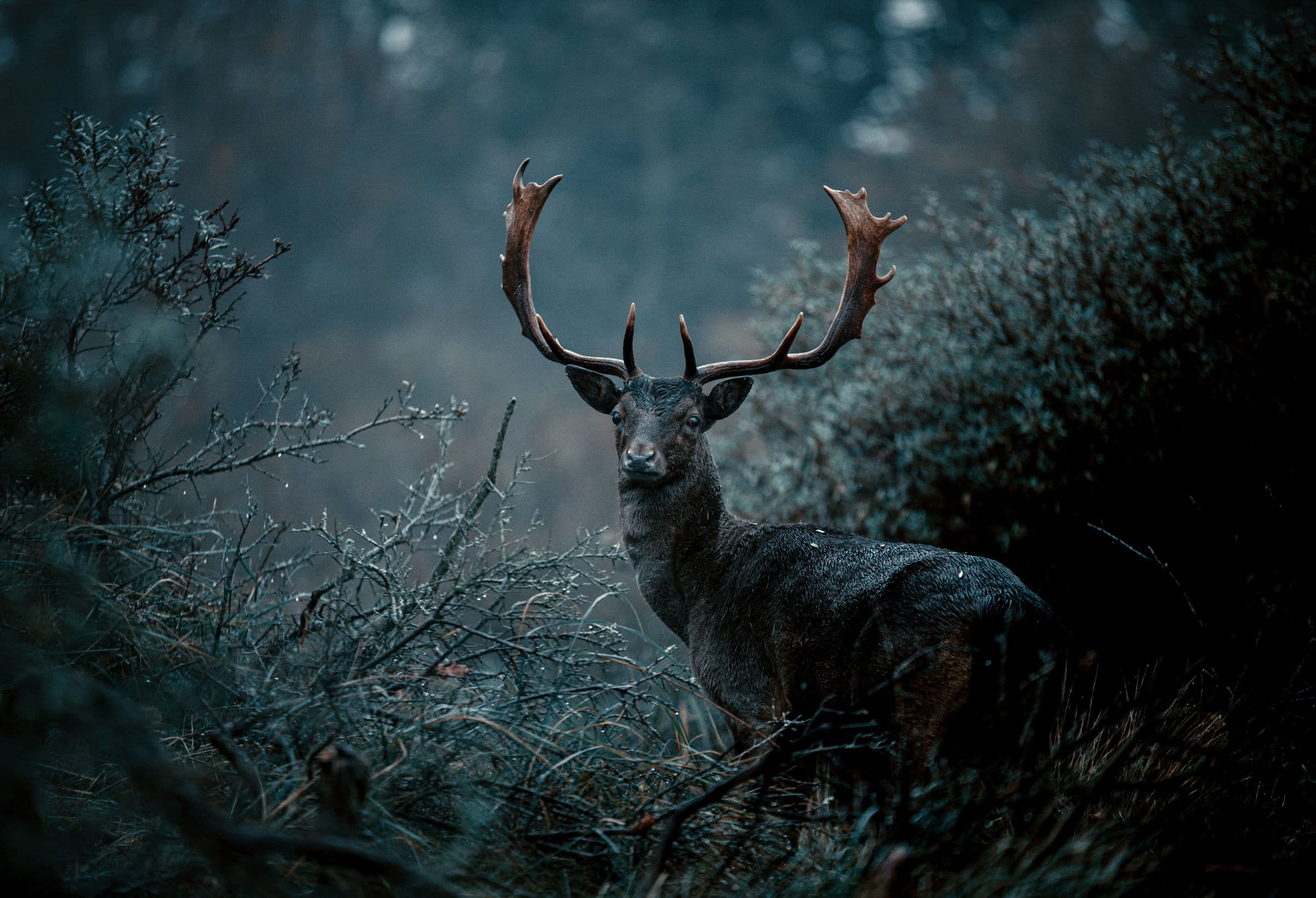
The theHunter: Call of the Wild Rare Animal Detector checks local reserve records against transparent rarity and trophy rules. Filter rare fur, high trophy potential and exceptional combinations, then read the exact reason each animal matched.
What Makes an Animal Worth a Second Look
Explainable rule matches
Every result names the fur, trophy or combination rule that triggered it instead of showing an unexplained badge.
Rare and exceptional tiers
Separate uncommon signals from multi-condition exceptional records so the strongest finds remain distinct.
Custom filtering
Combine reserve, species, sex, fur rarity and trophy potential while preserving the original matching reason.
When to Use Detection to Build a Shortlist
- Load a supported local population snapshot.
- Choose built-in rarity rules or define the available custom filters.
- Review each match reason and verify fur or trophy context in the public guides.
How to Read Every Match Reason
Reserve, species, and sex define the candidate pool. Fur rarity and trophy potential contribute two different kinds of value signal.
Matched rules explain why an animal entered the list; the exceptional tier only ranks it. Review every reason instead of trusting one prominent badge.
Why Multiple Signals Matter More Than One Label
Exceptional animal match
| Fields and filters | Static example |
|---|---|
| Species | Red deer |
| Fur signal | Rare |
| Trophy potential | Diamond range |
| Matched rules | 2 / Exceptional |
Rule explanations are shown beside each match so rarity claims can be checked.
Great One Jaguar and Old Scar are different signals
The official Intisuyu announcement confirms both a new Great One Jaguar and the mission-exclusive Old Scar Jaguar. Great One status is a trophy-related signal, while Old Scar is tied to a particular mission and unique variation; the detector should explain which rule matched rather than merge them into one generic “rare” label.
Hotfix 9.2.1 corrected Old Scar's taxidermized trophy and granted a corrected trophy to players who had already completed the mission. Trophy-lodge appearance is supporting context, not the only evidence used to classify a local animal record.
Continue With the Step-by-Step Documentation
This article focuses on the hunting question and how to interpret the result. For interface controls and complete procedures, continue with:
Privacy and Local Processing
Raw saves, private hunter statistics and exact animal coordinates are processed locally by default. They are not placed in public URLs, page metadata or indexable HTML.
Frequently Asked Questions
What counts as a rare or exceptional animal?
Rare matches meet a documented fur or trophy rule. Exceptional matches combine stronger or multiple conditions defined by the detector rules.
Can I change the detection rules?
Where supported, filters and custom rules can refine your local results. The report always records which rule produced the match.
Does the detector create animals?
No. It only analyzes records already present in the loaded local data.
Related theHunter: Call of the Wild Tools
- Detect Rare and Uncommon Fur Types
- Check Trophy Potential and Medal Estimates
- Explore Species, Trophy Lines and Activity Data
- Explore Intisuyu's 14-Species Roster
- Read Patch 9.2 Changes Without Misreading Your Save
Unofficial tools independently developed by a solo developer for theHunter: Call of the Wild. Not affiliated with Expansive Worlds or Avalanche Studios Group.